
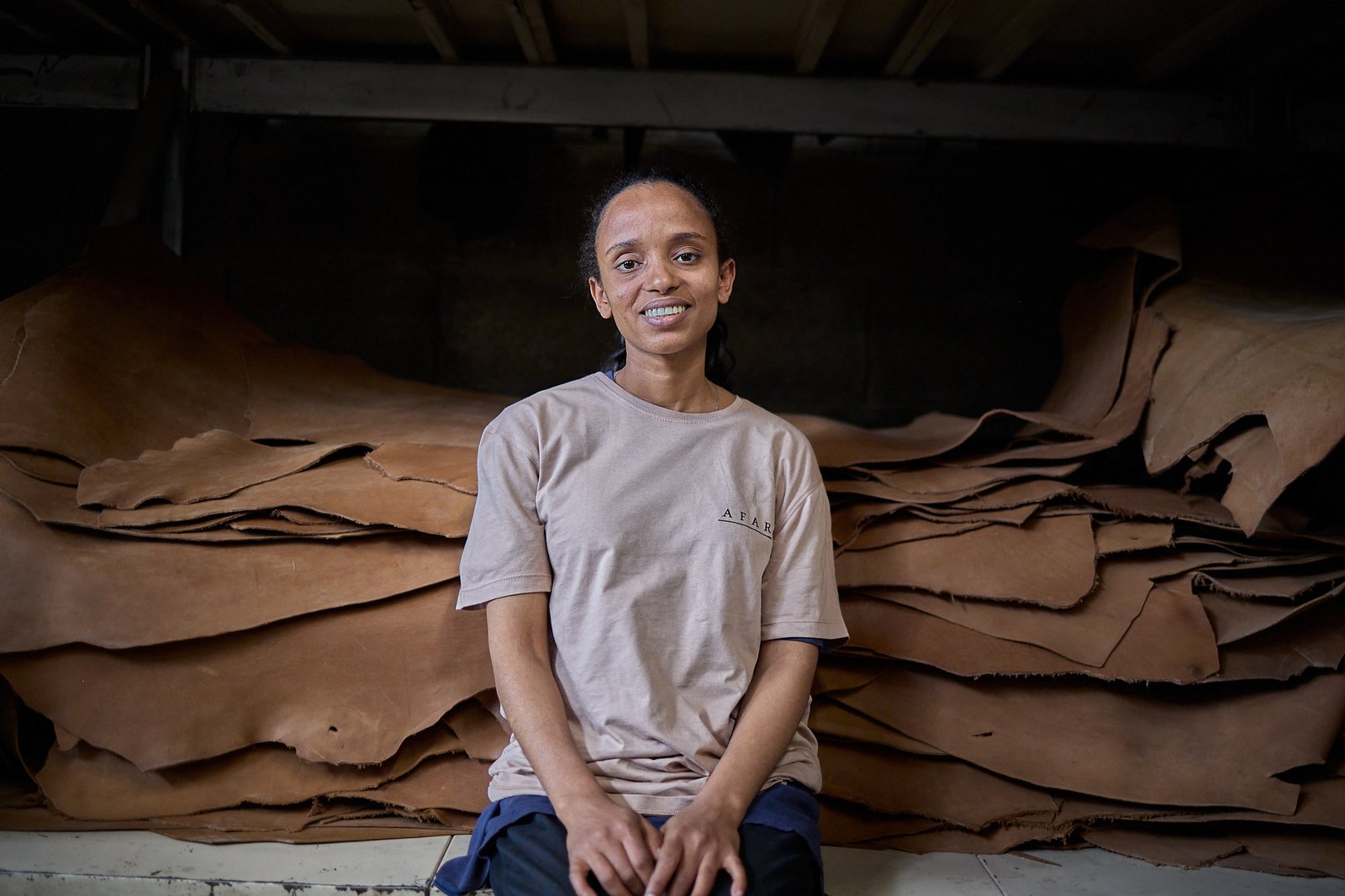
Use this checklist to judge AFAR, or any leather brand. Each point protects you from vague claims. Each point helps you buy once and use for years.
Start with material facts you can verify. Ask how the hide was tanned, and expect a straight answer. Vegetable-tanned leather uses plant tannins, chrome-tanned leather uses chromium salts. The method affects feel, aging, and how a tannery manages chemistry and water.
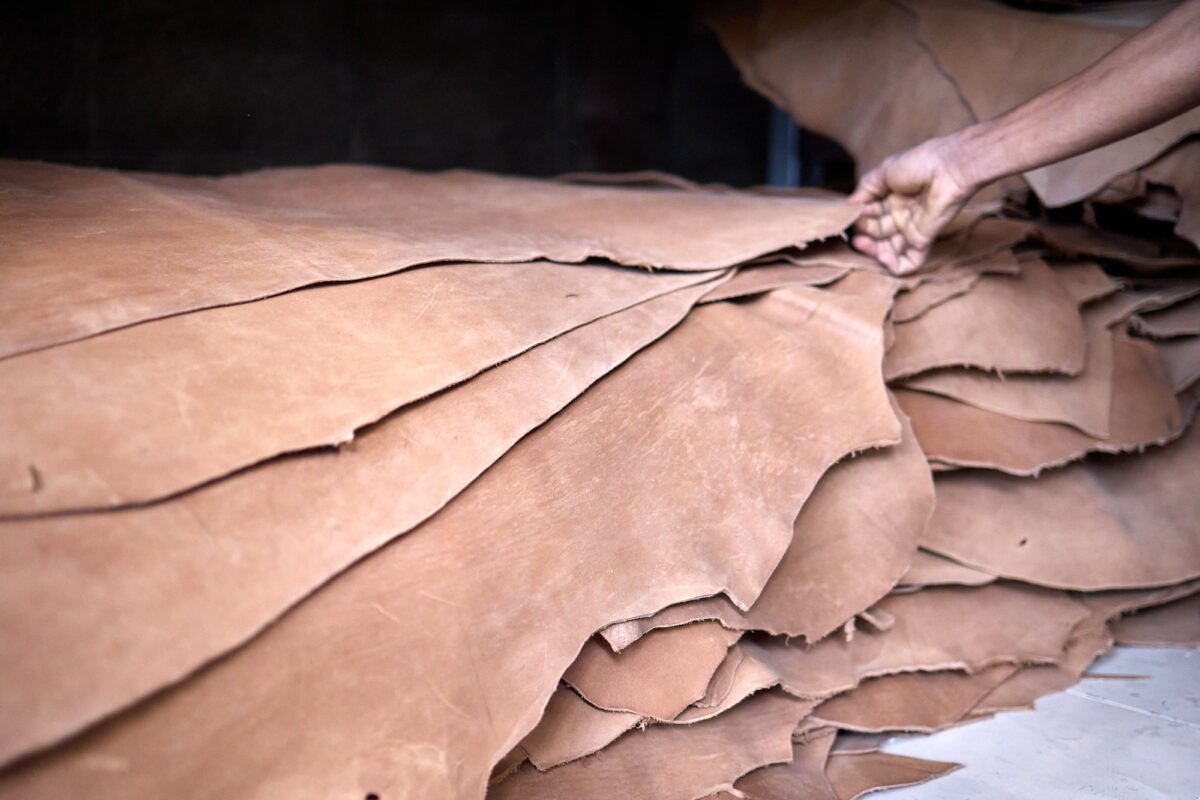
Ask what “grain” you are buying
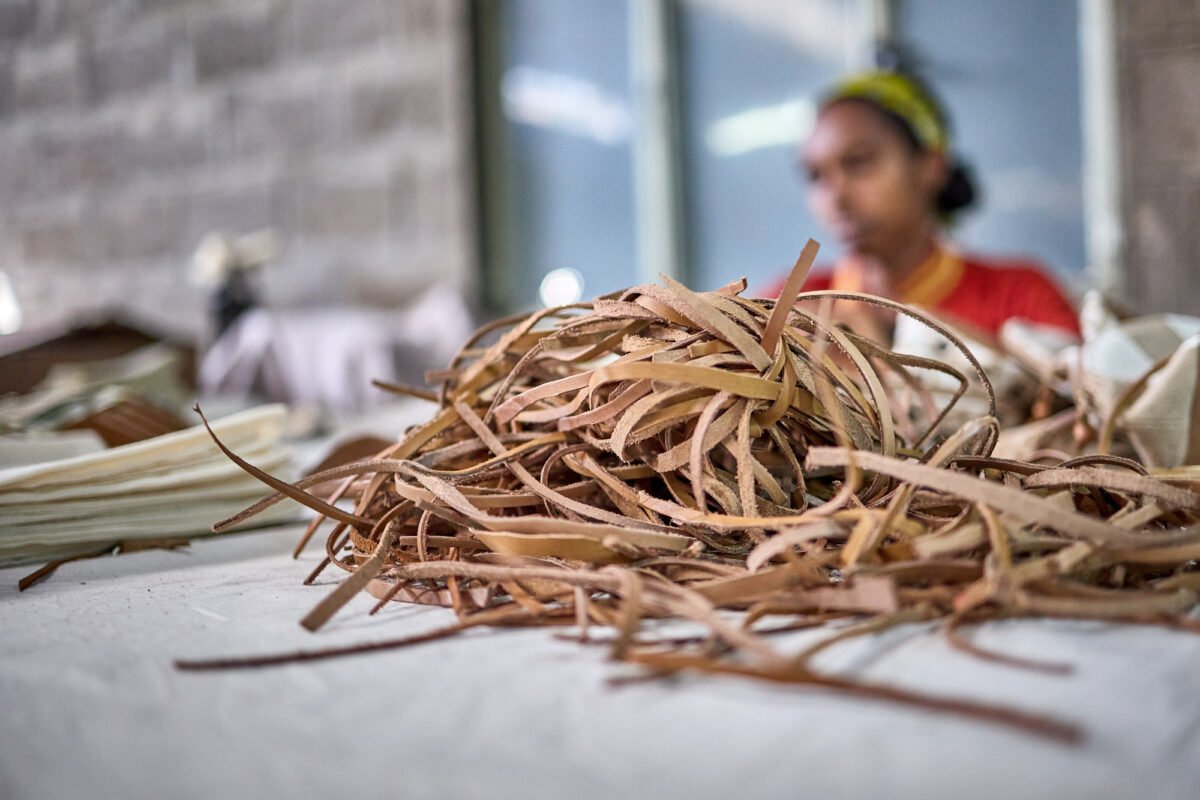
Full-grain keeps the top layer, shows natural pores and small marks, and develops a visible patina with use. Corrected grain gets sanded and coated for a more uniform surface, and often shows wear differently over time.
Finally, pay attention to thickness and finish. Leather that feels thin or spongy tends to crease and fatigue sooner.
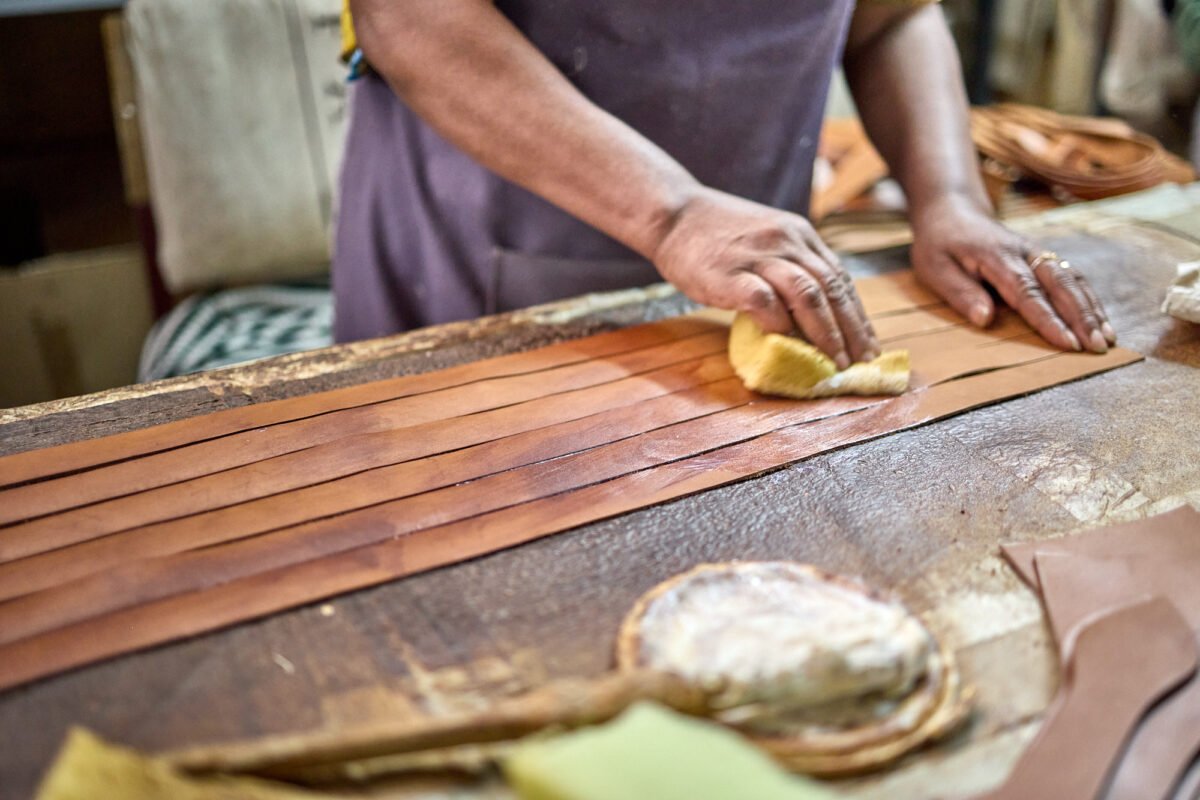
Heavy plastic-like coatings can hide the surface and sometimes peel at corners and folds. A lighter finish usually shows more grain and tends to age with fewer surprises.
Use product photos to prove these points. Show a close-up of pores, a fold point, and an edge on a handle.
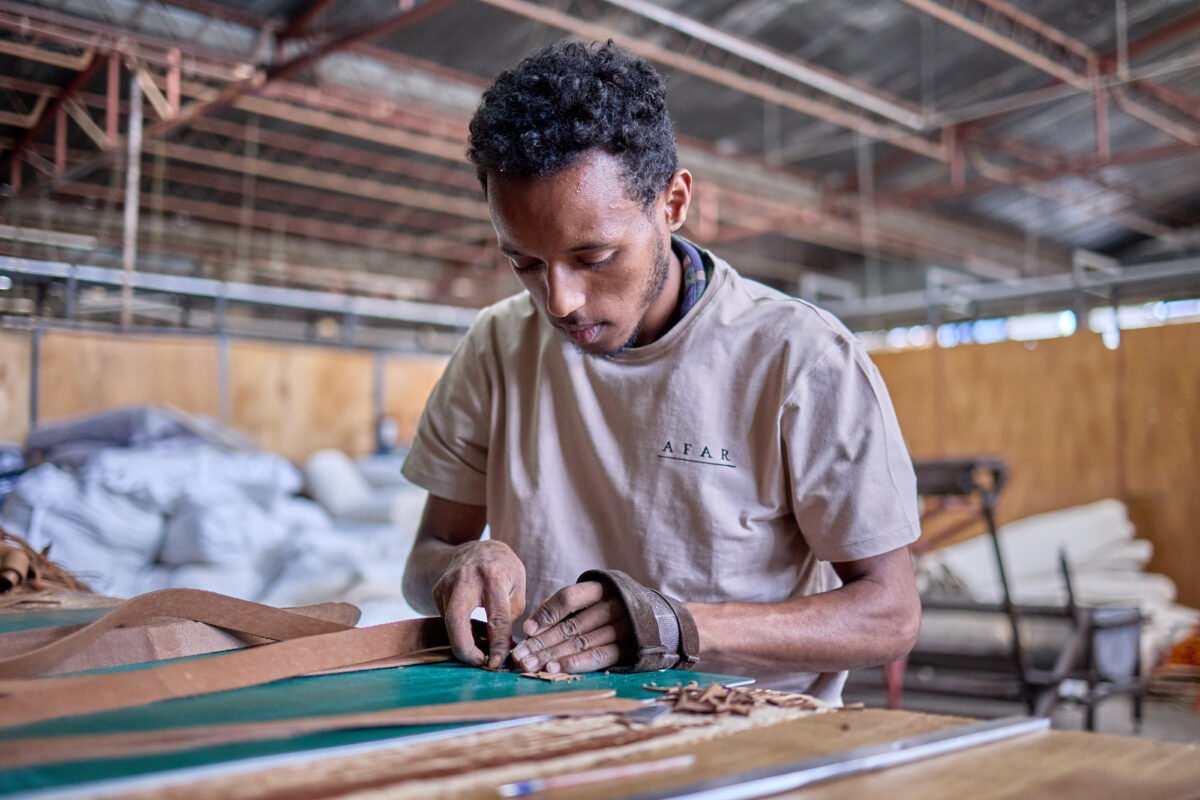
Look at build facts
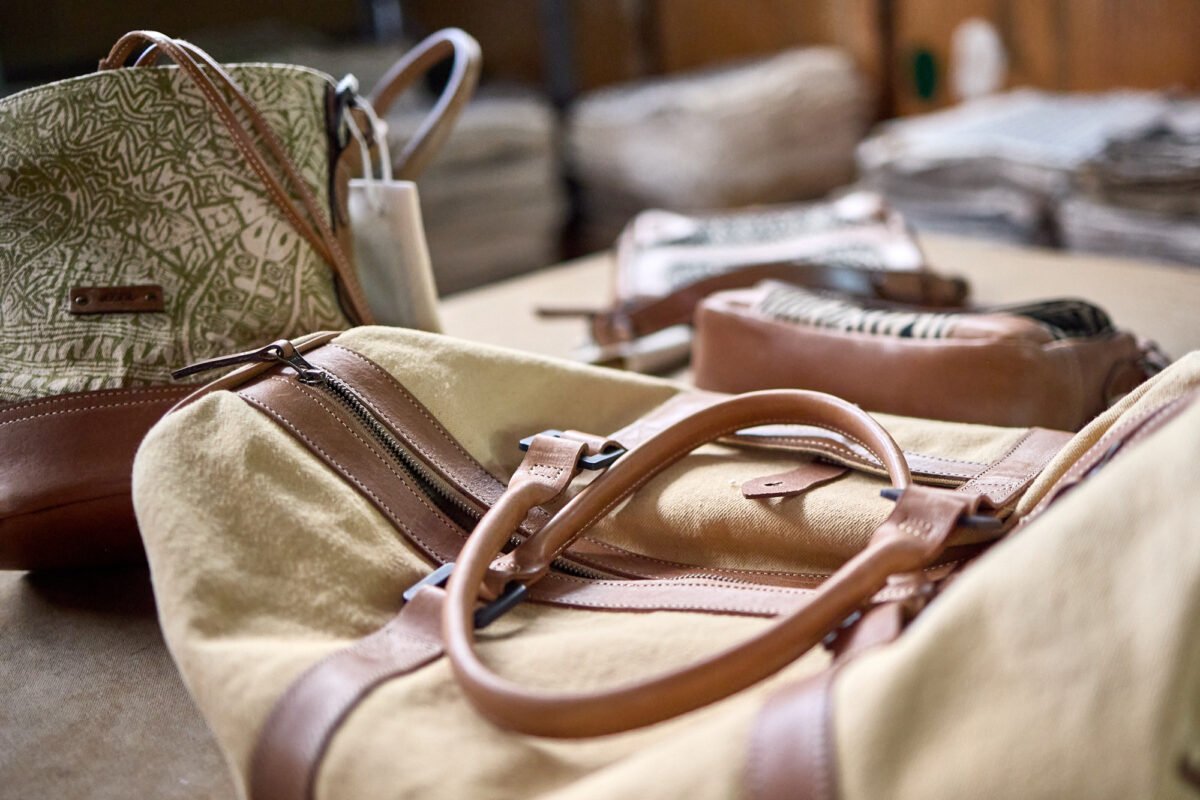
Construction decides lifespan more than any marketing claim. Focus on stress points first, handles, strap anchors, corners, and zipper ends.
You want multiple rows of neat stitching, backing patches where load concentrates, clean alignment, and reinforcement where the bag carries weight. Check stitch density and consistency. Loose stitches snag and break. Tight, even stitches resist abrasion.
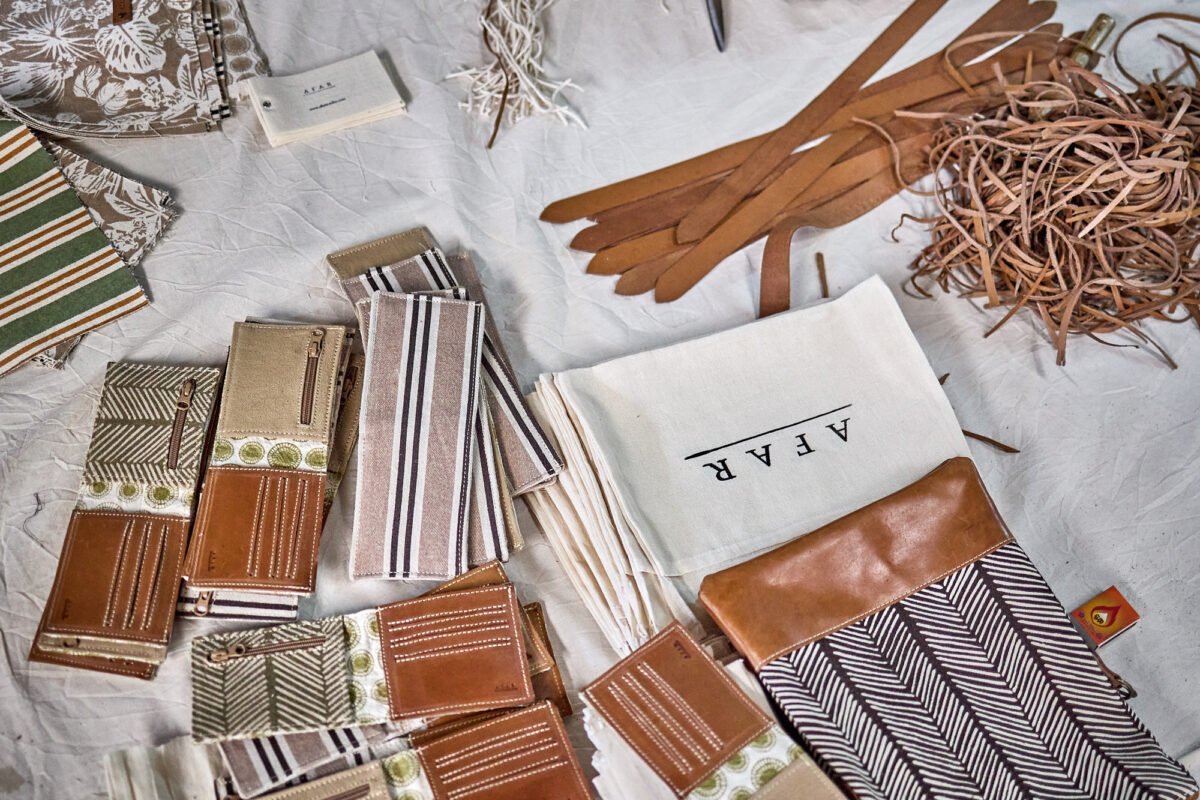
Examine edges near handles. Those areas see sweat, friction, and repeated bending. Good makers burnish, bind, fold, or paint edges with care, and you can see the difference in close-ups.
Treat zippers and hardware as the first failure zone. A strong zipper installed cleanly, protected at the end of travel, and paired with a pull you can replace matters more than a fancy lining.
Hardware should be replaceable without rebuilding the entire bag. Ask directly what happens if a buckle breaks or a ring wears out. A serious answer includes a repair option, not a workaround.
After build, check repair facts, because longevity depends on service as much as materials. A credible brand explains who repairs the bag, where repairs happen, and what typical repairs look like.
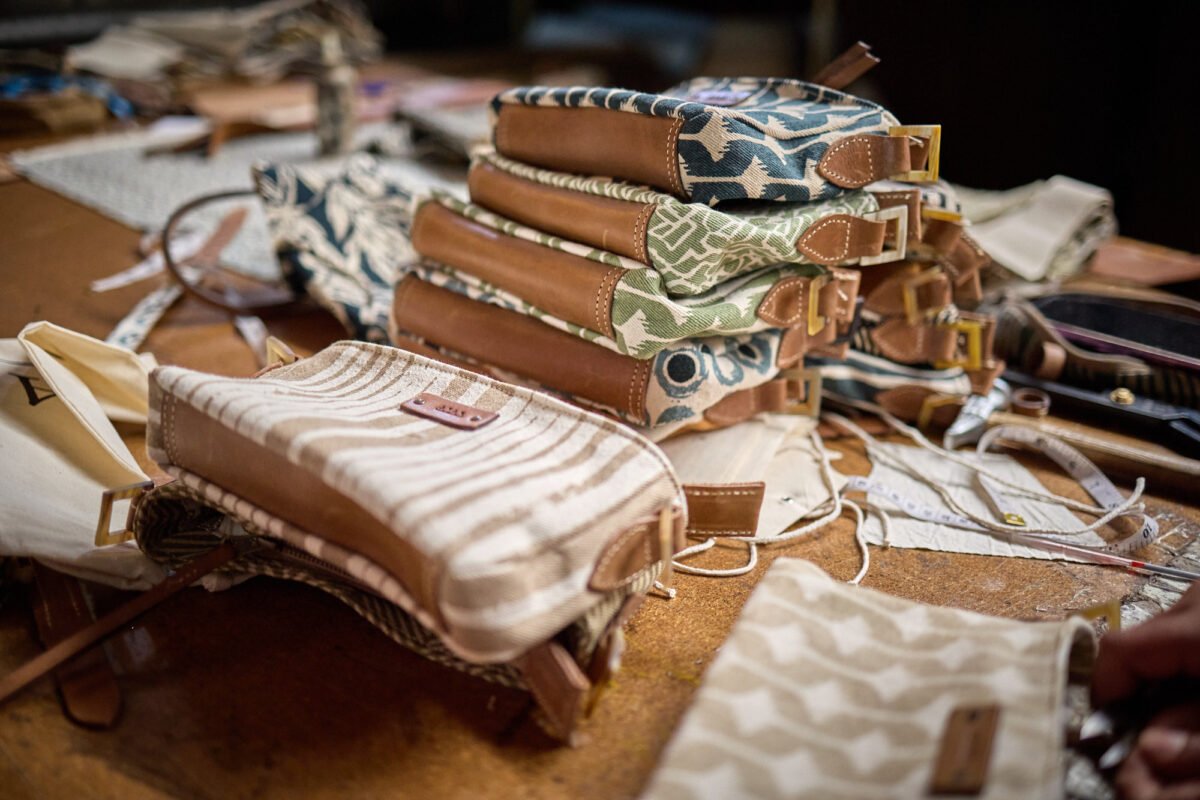
Zippers, pulls, straps, and buckles should be designed for replacement. Construction should allow access, so a maker can open, replace, and close without destroying the structure.
Care guidance should stay simple and realistic. You want instructions for drying after rain, cleaning without stripping the finish, conditioning without heavy oils, and avoiding heat and solvents.
Demand supply chain facts that separate proof from storytelling
Ask where tanning happens, because leather can be sourced in one place and processed in another. Ask for factory conditions described in concrete terms, who makes the bag, how many steps happen in-house, how quality control works, and what training looks like.
Read the animal sourcing statement with attention. A clear statement tells you whether animals are raised or killed for leather, whether hides come from existing food and rural systems, and whether the brand buys hides already available rather than driving slaughter decisions.
A clear statement on “by-product” should define what the brand does and does not do in procurement. Traceability is rarely perfect in leather, but clarity is always possible. A serious brand states what it knows, what it does not know yet, and what it is improving.
If you want a fast decision, score four areas from 0 to 2. Material facts, build facts, repair facts, supply chain facts. A total of 7 to 8 points signals a tool built for years. A total of 4 to 6 points signals mixed signals, so price must match the risk. Under 4 points usually means replacement comes sooner than you expect.