About us

AFAR started in Addis Ababa, inside a working textile lab where skilled artisans cut, print, dye, sew, and finish by hand. Behind the brand sits four generations of textile work that began in Prato, Italy.

In Ethiopia, AFAR became a daily practice, make the product, test it, refine it, repeat. We keep the process close. We stay in the factory. We work with materials we know and people we know.

Today AFAR bags and accessories are made at Village Industry in Addis Ababa. The team prints, hand-sews, uses natural dyeing, and finishes each piece on site.
Why the name AFAR, and how you see it in our work

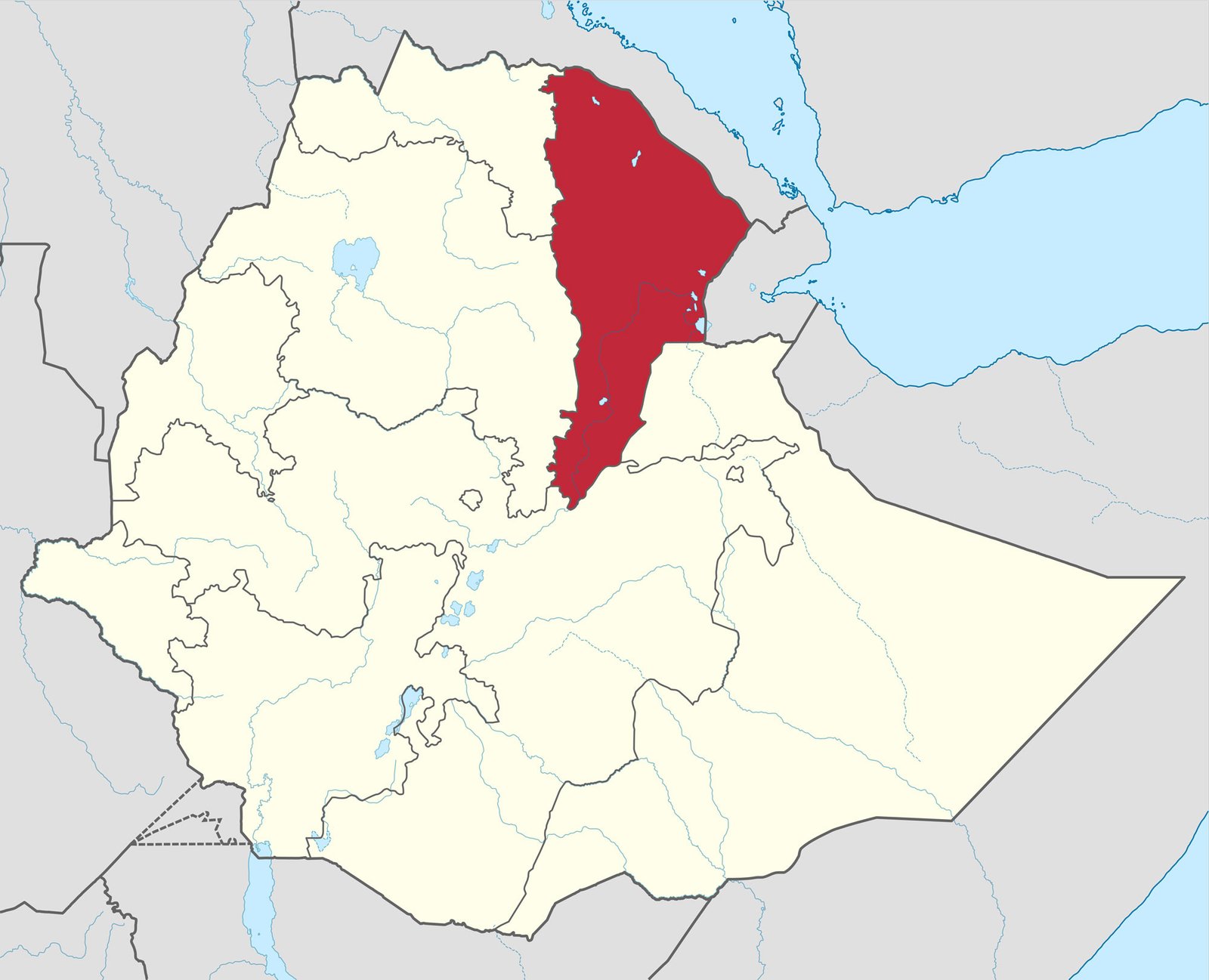
We took our name from the Afar region of Ethiopia, a land shaped by heat, salt, and long distances. People move with what matters. They leave the rest behind.

This idea guides our design and our production. We design for travel and daily use. We keep forms clean. We remove what feels unnecessary. We test prototypes in real life. We prefer strong stitches, reliable closures, and fabrics that age well. We keep making in the same place where we design, so feedback turns into changes fast.

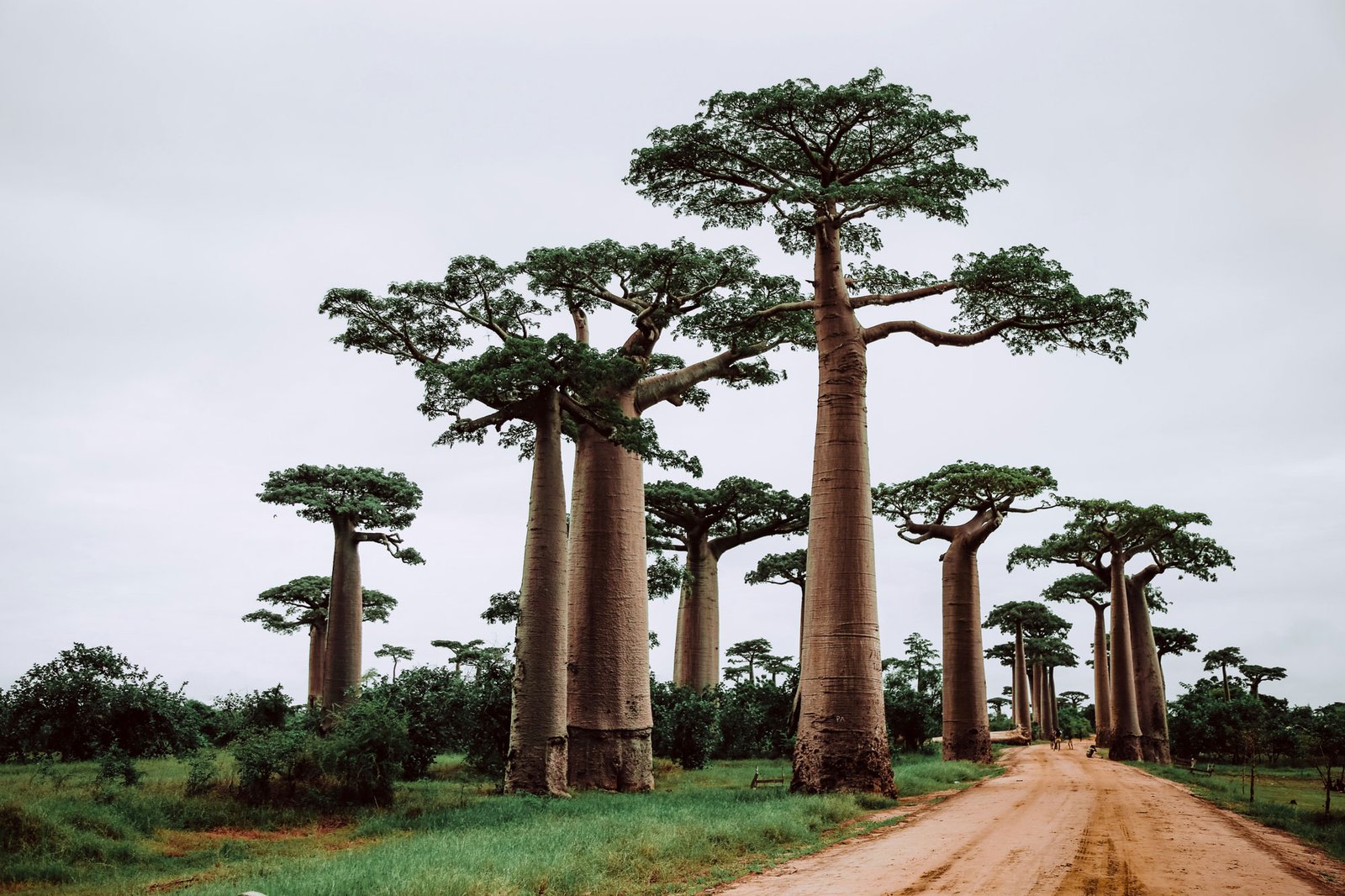
In recent years, we also added raffia bags to our work. We source raffia in Madagascar and make the bags through our production network in Ethiopia.

A shared textile journey

This timeline shows how a Prato textile tradition met a new generation in Addis Ababa. We carried forward technical knowledge, care for materials, and a culture of work tied to people and place. In 2000, we built AFAR with a young Ethiopian team, inside a factory where hands still lead the process. We share know-how, choices, and responsibility. Each date marks a step toward what you hold today, a product made in Africa, shaped by Italian heritage and Ethiopian craft, on equal terms.
Calamai Soc
Prato, the first thread

In Prato, the Calamai family starts a textile business, early roots of an industrial story linked to the Bisenzio river.

1878
Calamai Figli Di M 2
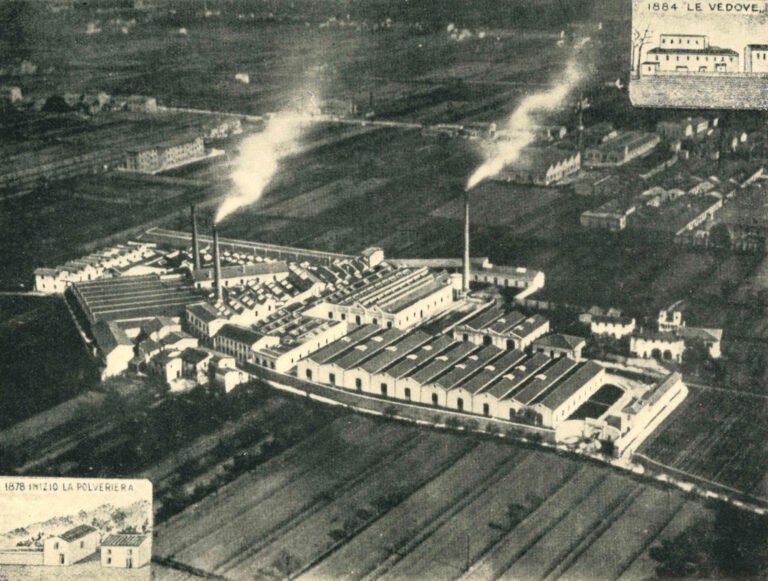
Mechanized spinning begins

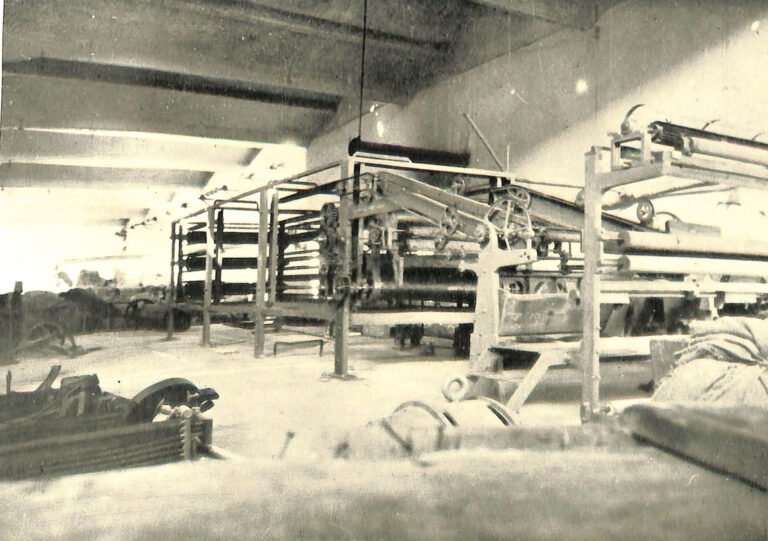
The factory sets up a mechanical spinning mill, among the first steps toward modern production in the area.

1891
Factory 001
A new company, new cycle

Michelangelo Calamai leaves “Anonima Calamai” and starts a new company focused on processing raw materials, new wool and recycled rags prepared for a new textile cycle.

Early 1900s
Calamai Family
Figli di Michelangelo Calamai

“Figli di Michelangelo Calamai” is founded. The work expands from raw materials into textile production.

1921
Calamai Riverside 004
A growing textile family

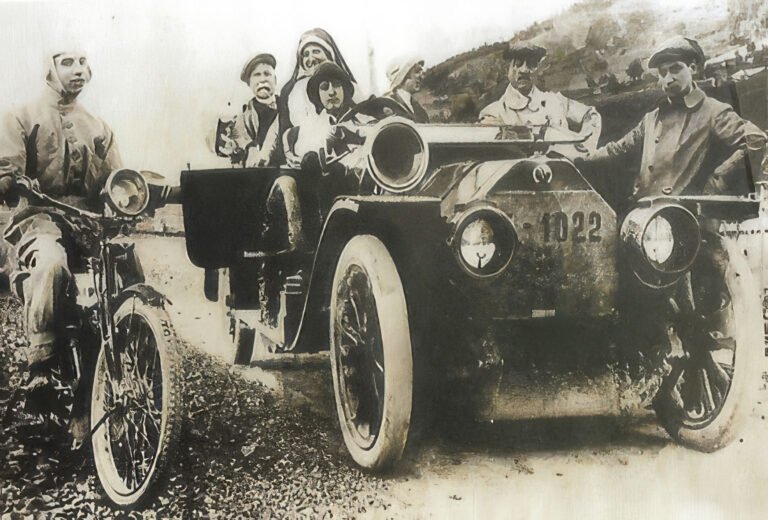
A new generation joins the business. Production grows, with a focus on blankets and plaids.

1924
The Boat And The Woll Mill
Built on the Bisenzio

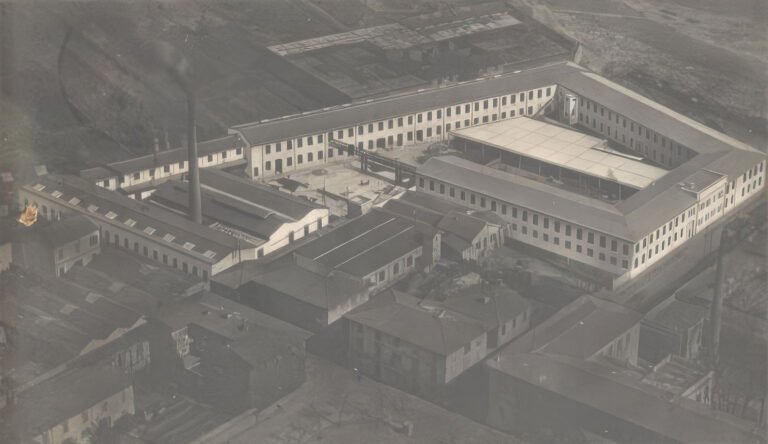
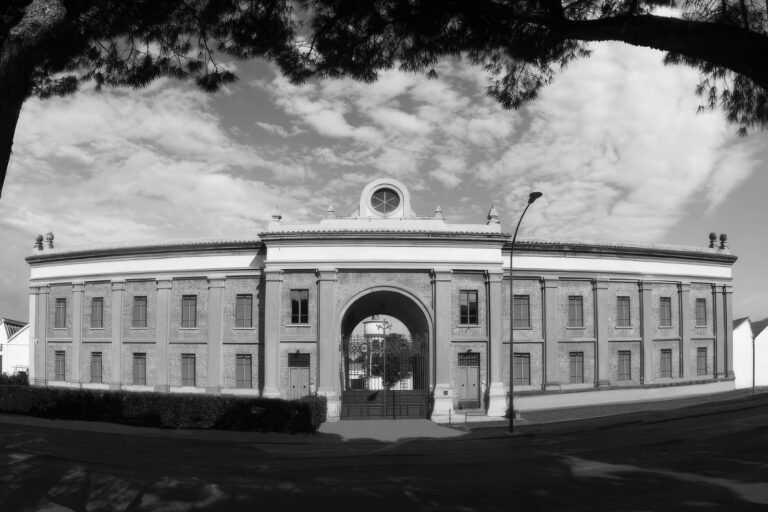
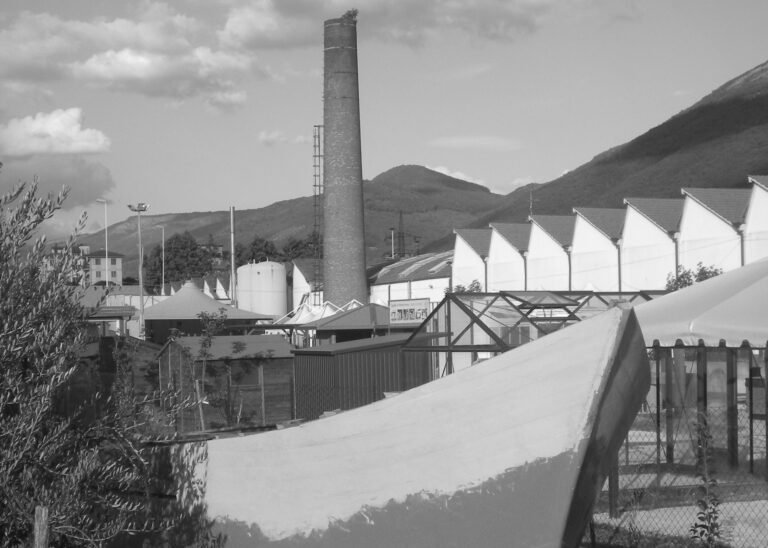
A new plant opens along Viale Galilei, close to the Bisenzio river. The site later becomes known as “Calamai su i’Bisenzio”, and it still stands as part of Prato’s industrial architecture.

1928
Immagine 2021 05 14 142304
Recycled wool at scale

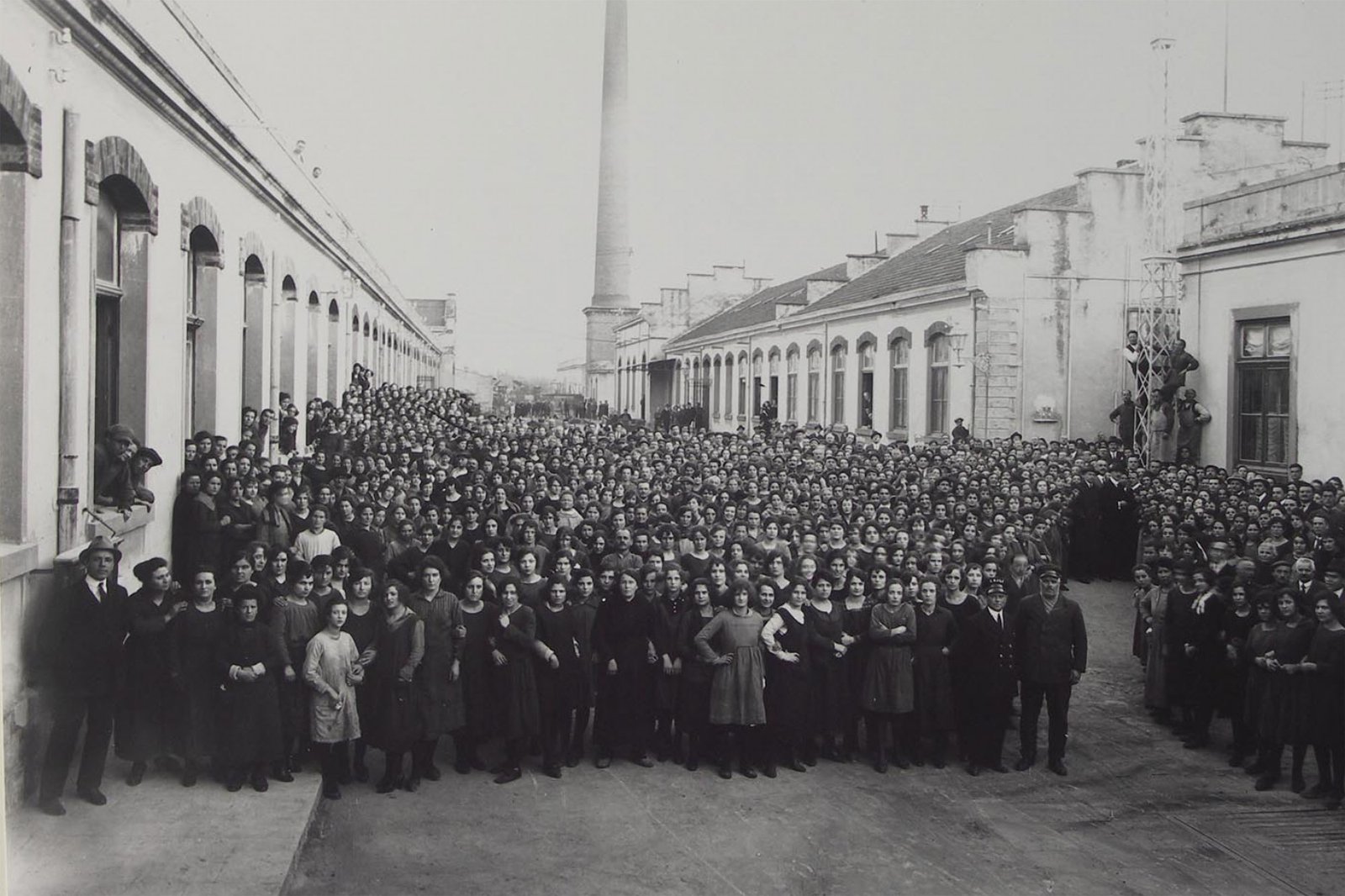
The company reaches about 3,000 employees and becomes the third largest blanket manufacturer in Europe. It works with recycled wool made from rags and old clothing.

1930s
Calamai Soc
Rebuild, expand, restart

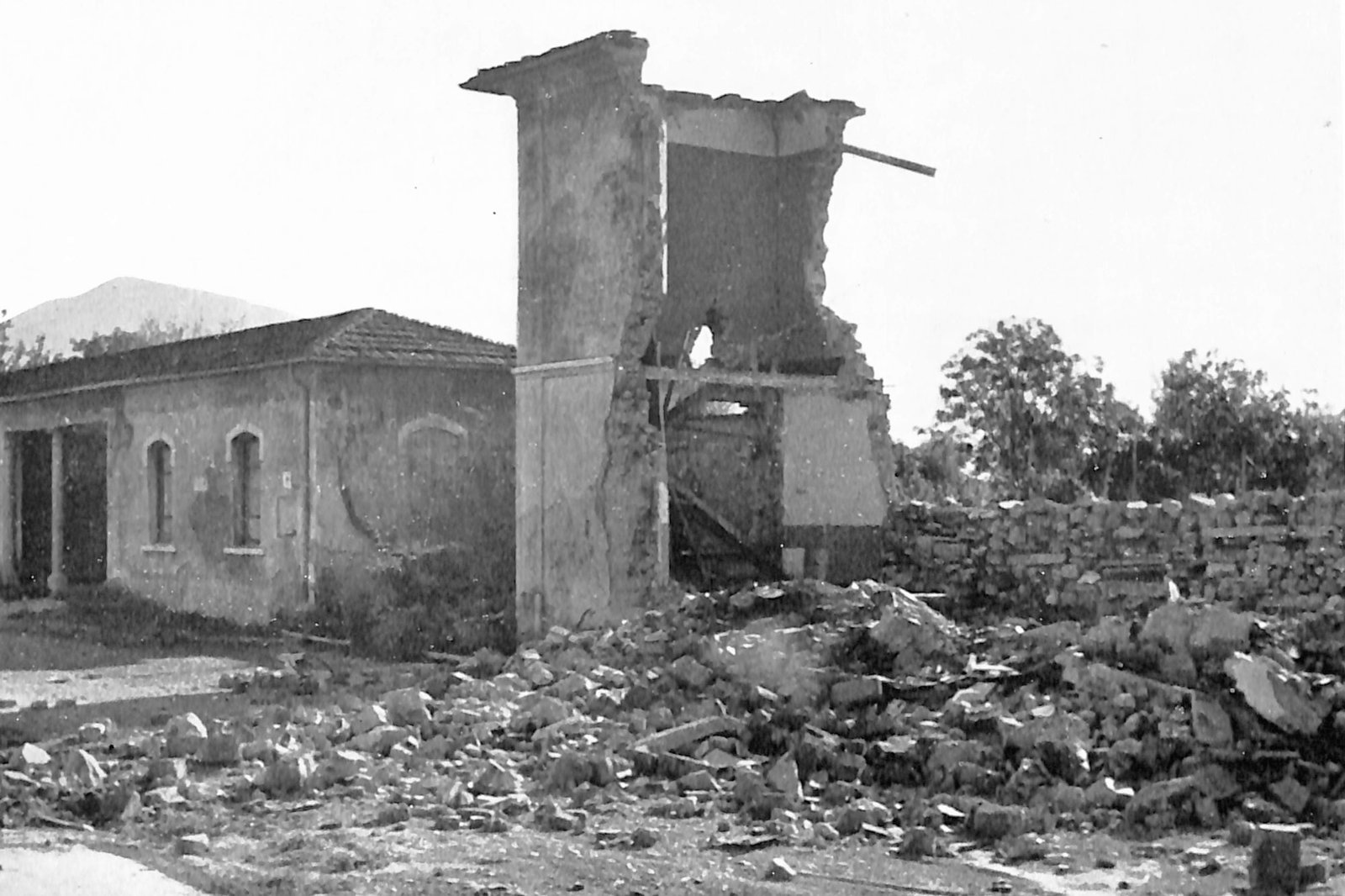
The family expands operations across Tuscany, including sites for rag processing, spinning, wool washing, and rayon production. During and after World War II, the factories suffer heavy damage, then restart with improvised power systems.

1943 to post-war years
 DSF1803 5
Addis Ababa, AFAR begins

The family meets a young team in Ethiopia. AFAR is born in Addis Ababa, built around skilled hands, patience, and close control of every step.

2000
Madagascar 001
Raffia, Madagascar to Ethiopia

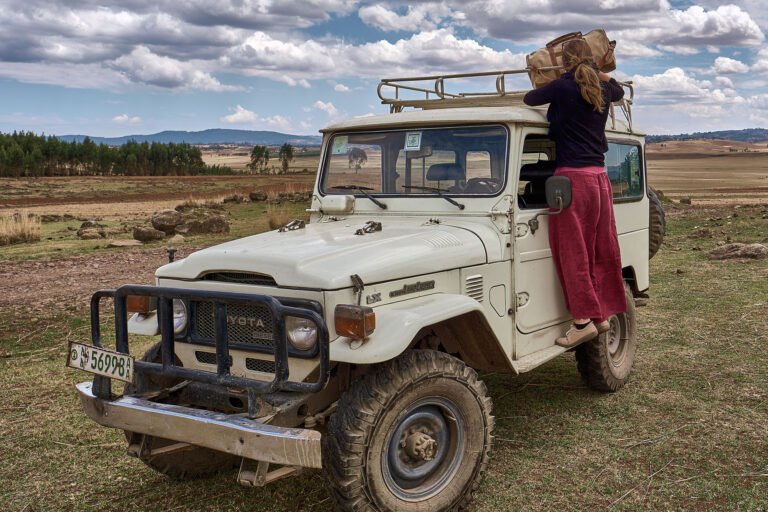
AFAR introduces raffia bags, with raffia sourced in Madagascar and made through Ethiopia.

2025
Scroll to Top