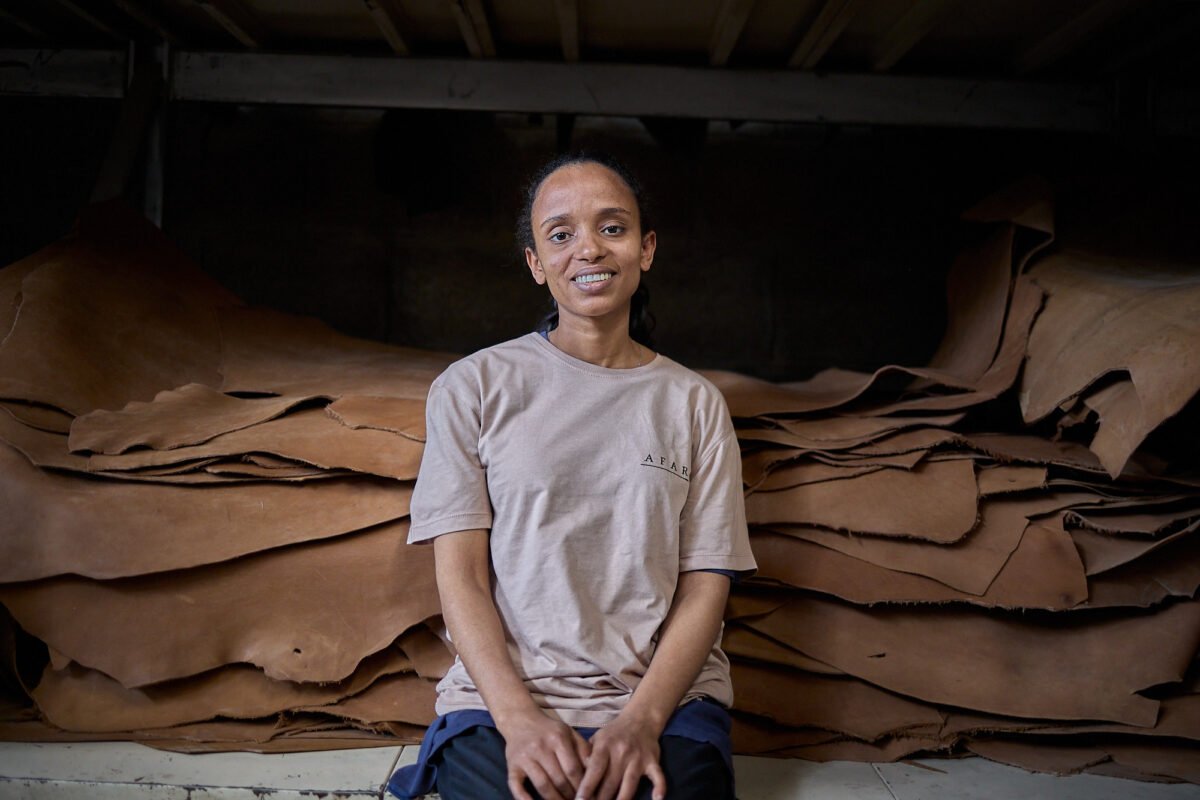
AFAR works with “by-product“, vegetable-tanned zebu leather. AFAR chooses this material for one reason above all: a long-life bag reduces replacement, waste, and shipping over time. But, what does “by-product” means in practice?
“By-product”, for AFAR, means this: no animal is raised or killed for AFAR bags. AFAR uses hides from zebus that have reached the end of their life within existing rural systems.
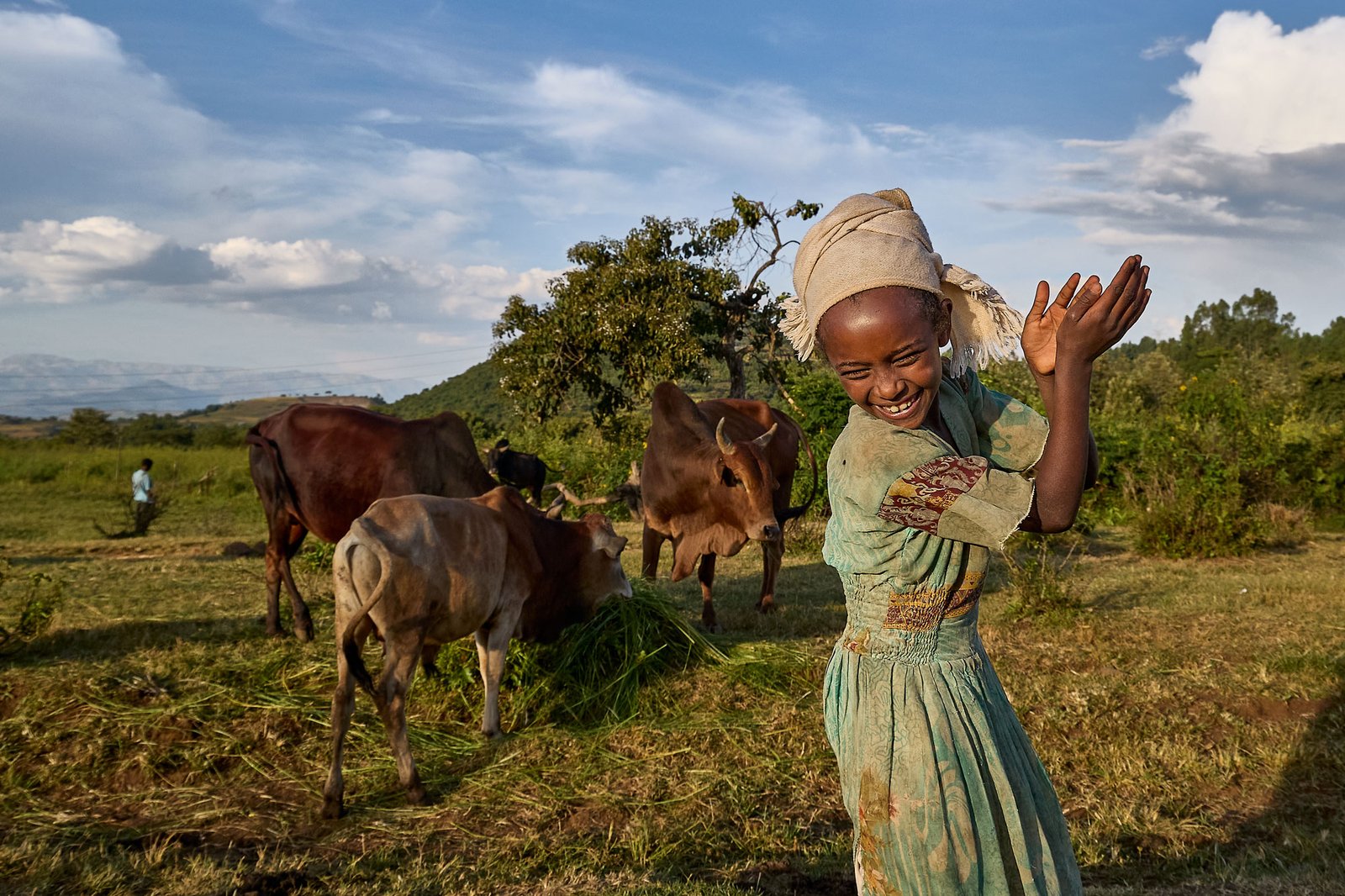
In Ethiopia, zebus support families for years through work, milk, and savings. When an animal dies, its hide enters a local recovery chain instead of becoming waste. AFAR buys that hide and pays for careful selection and processing.
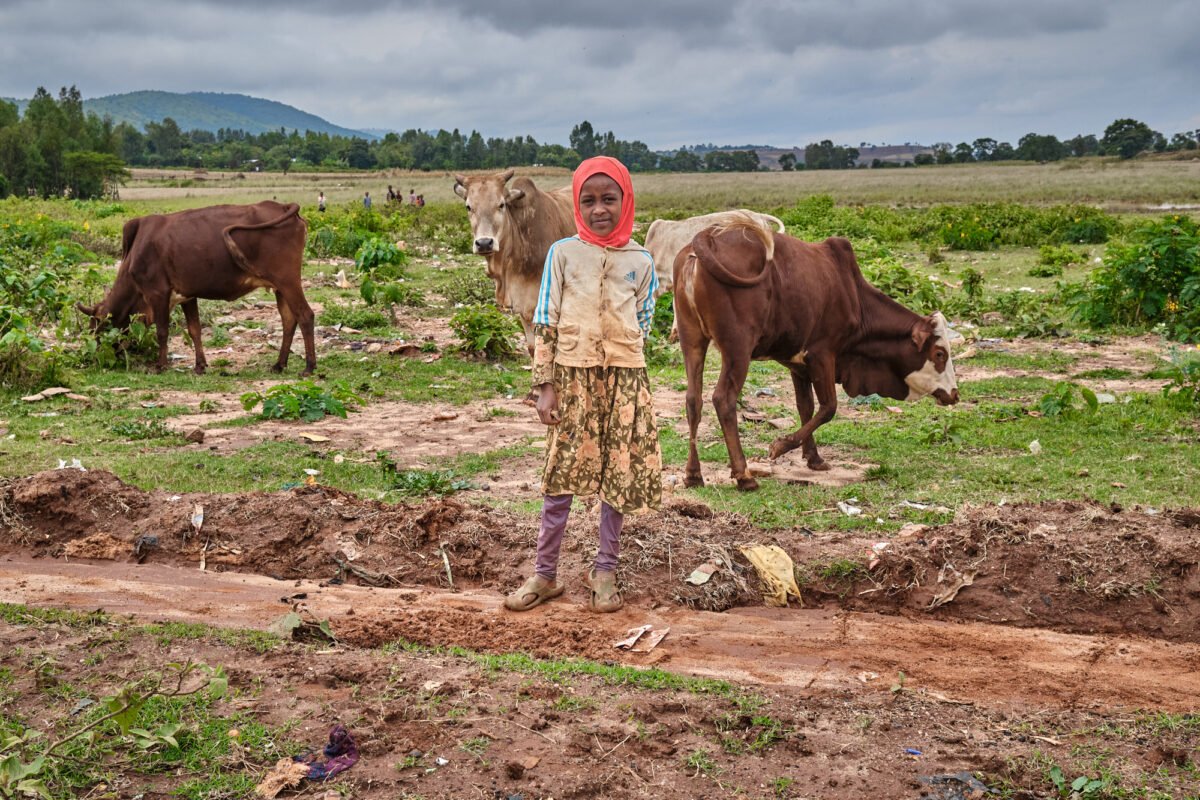
Some people use the term “co-product” because a hide has market value. The point stays the same for the shopper. AFAR treats the hide as a recovered resource, then turns it into long-life leather goods with strict controls.
A useful way to stay precise involves numbers. Industry sources often estimate hide value at roughly 3 to 4 percent of the animal’s value at the farm gate. Other analyses in the same debate place hide value closer to 5 percent in some markets, and note tight profit margins across beef supply chains. One review cites a 6 to 8 percent historical share for cowhide in the total value of US cattle.
AFAR uses “by-product” in a grounded, operational sense. AFAR does not commission slaughter for hides. AFAR buys hides already generated by food and farm systems, then pays for better processing and longer product life.
Why zebu matters in Ethiopia
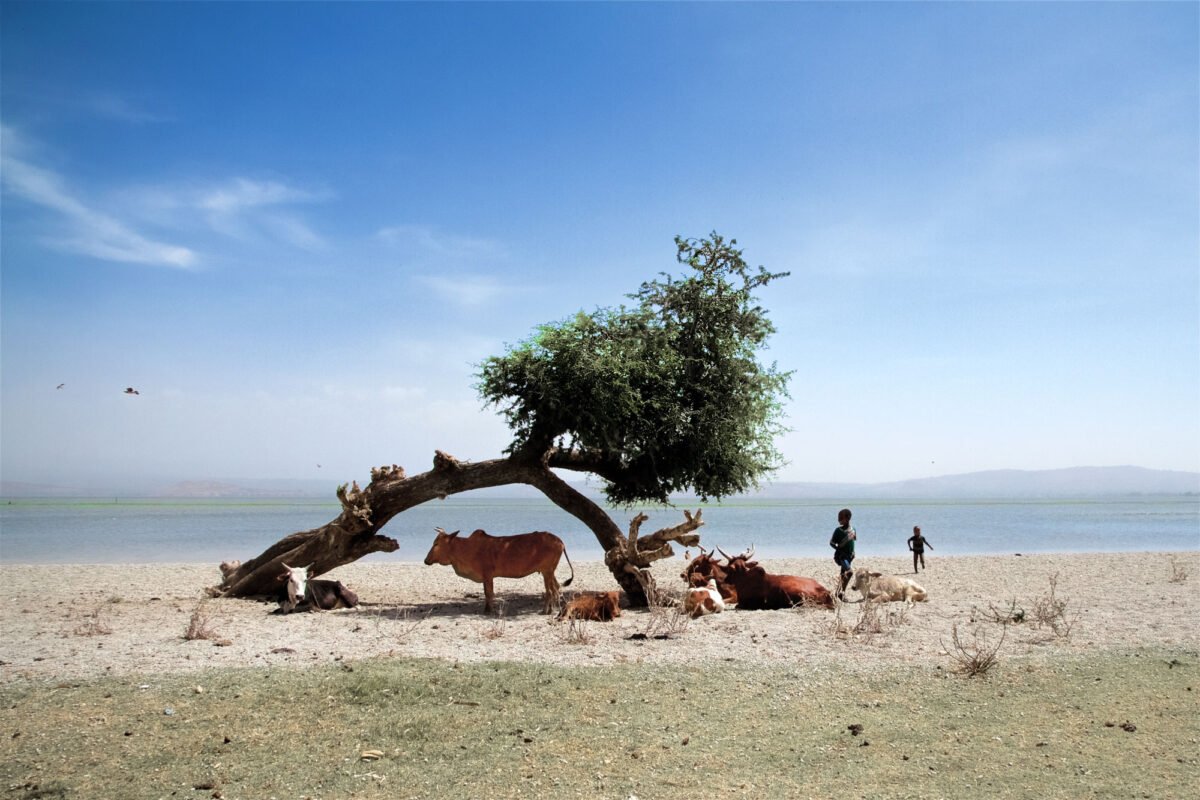
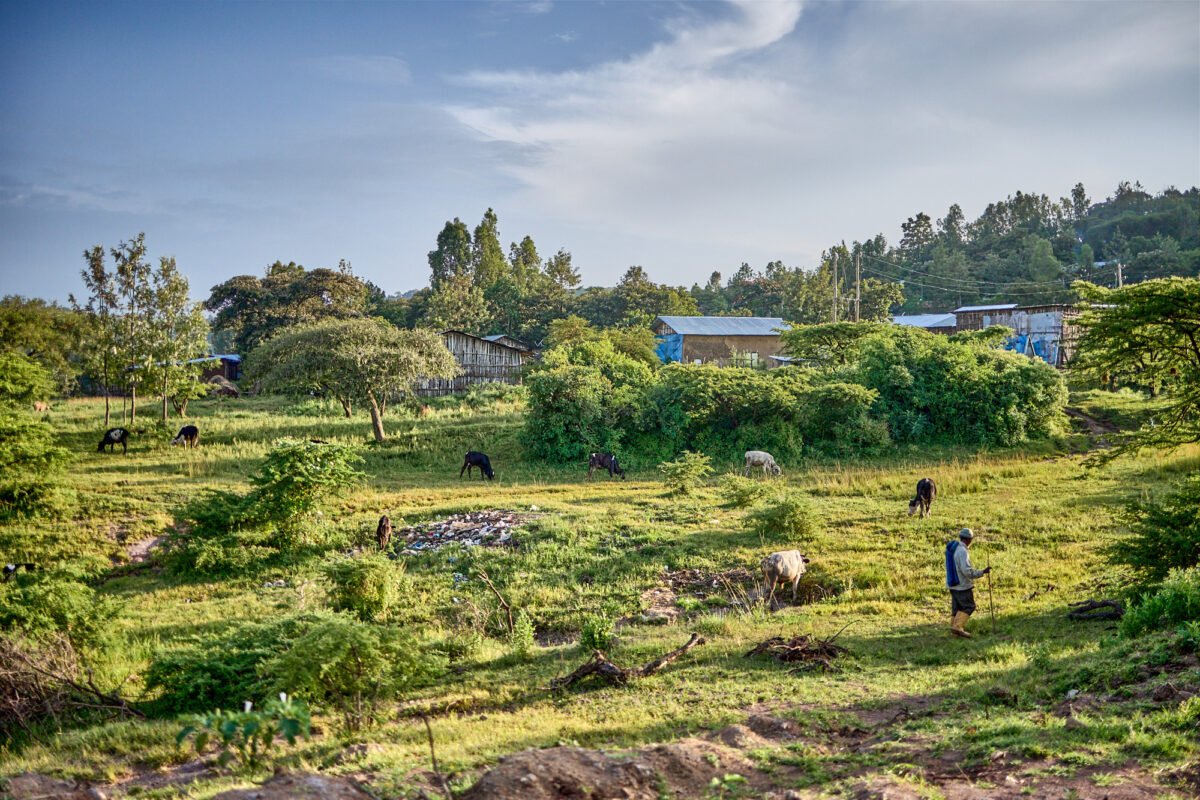
Cattle sit at the center of rural livelihoods. Multiple sources place the national herd in the mid-60 millions to around 70 million head in recent years, among the largest livestock populations on the continent.
Breed structure matters for leather, for resilience, and for rural economics. A recent review citing the national statistics agency reports about 97.4% of cattle as local breeds.
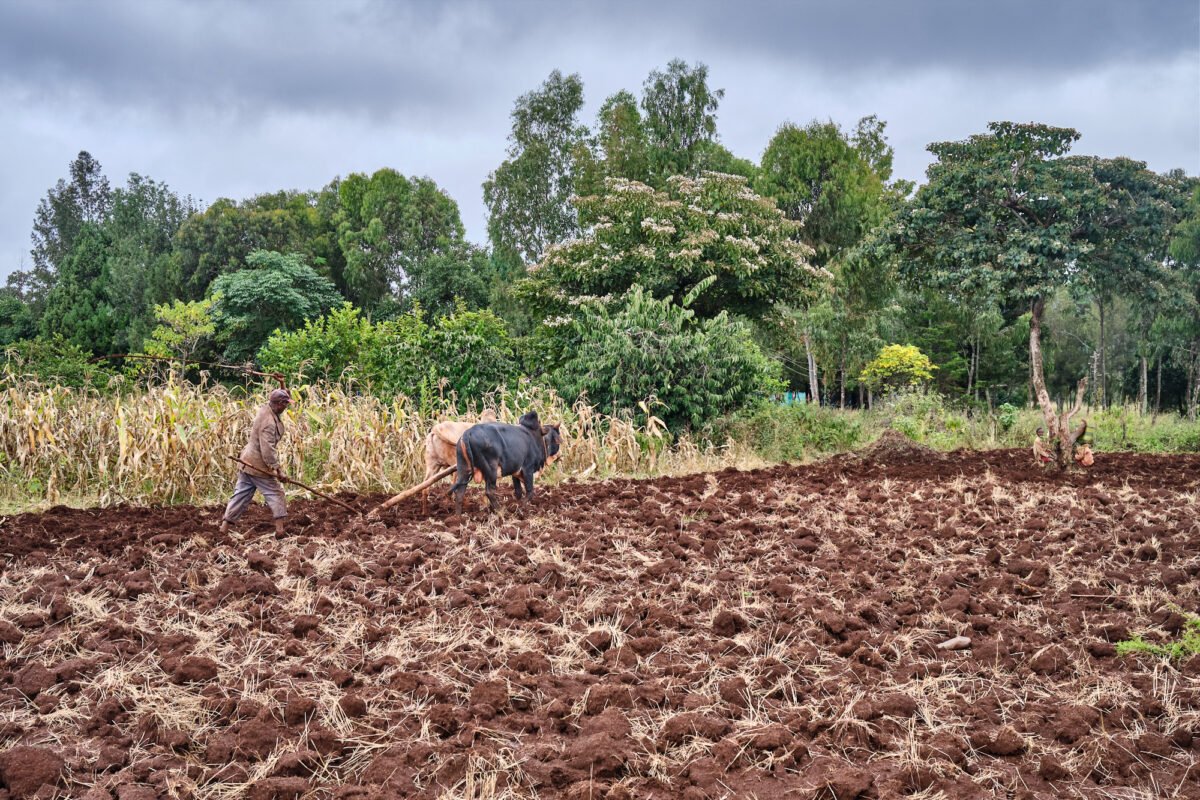
Cattle also function as work animals in much of the country. A 2024 review on working animals reports around six million draught oxen, with large gaps in access for many farmers. This detail changes the ethics conversation. Many animals live long working lives before any hide enters the leather stream.
Zoom out again and the labor picture becomes clearer. World Bank data puts employment in agriculture at about 62.4% in 2023. African Development Bank reports agriculture at 32.0% of GDP in 2023 and 62.8% of employment in 2022.
AFAR’s leather choice sits inside this reality. When a brand buys and processes hides locally, cash circulates across farmers, traders, transport, tanneries, and workshops.
From hide to leather, where sustainability is won or lost
A hide becomes leather through a chain of technical steps. Each step sets a sustainability outcome.
Preservation and handling. Bad handling creates cuts, putrefaction, and yield loss. Better curing protects value and reduces waste.
Tanning chemistry and water. AFAR states vegetable-tanned zebu leather. Vegetable tanning uses plant-based tannins. Plant-based does not remove the need for serious effluent treatment. Wastewater still needs treatment before discharge.
Finishing and durability. A bag lives or fails on abrasion resistance, edge quality, stitch density, reinforcement, and hardware.
Long life shifts the footprint. A bag used for ten years beats a bag replaced every year, even before recycling enters the story.
How by-product sourcing supports small communities
Local value rises when more steps stay inside the country. UNCTAD notes strong comparative advantage in raw hides and skins exports, with lower shares for finished leather goods.
A brand like AFAR pushes value addition forward, from raw material to finished goods. This shift supports jobs and skills in tanning and manufacturing.
UNIDO reports dozens of tanneries and thousands of workers in the leather sector, with average annual consumption figures around two million hides and around 20 million skins across the industry.
A International Livestock Research Institute overview of livestock systems in the country also highlights the scale of the national herd and the central role of livestock in rural systems. A UNIDO program factsheet also describes large installed tannery capacity and the sector’s employment links.
At the community level, by-product sourcing supports four practical gains. Extra income for farmers and local traders. Hide revenue adds a second income line tied to the same animal. Lower waste and higher yield. Better hide handling reduces losses and raises usable surface area.
Skill and job creation: tanneries, cutters, stitchers, and finishers earn from local transformation, not only from raw exports.
Incentives for quality standards: premium buyers push cleaner curing, better sorting, and traceability habits.
Respect for animals without ideology
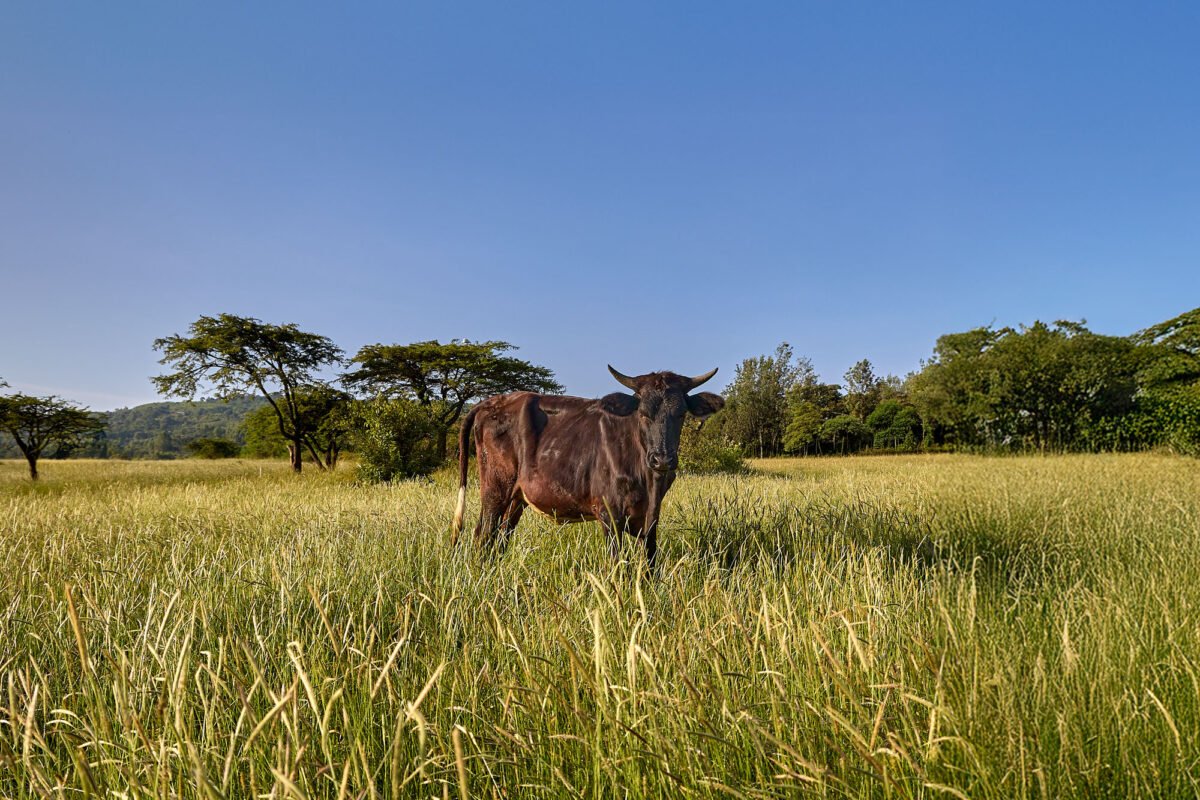
Many people reject animal materials. Many people accept animal materials with strict standards. A non-ideological approach starts with clear questions. Was the hide generated by an existing food and farming chain, or did leather demand shape slaughter decisions in a meaningful way?
The debate remains active. PETA argues for “co-product” language to reflect shared responsibility. Material Innovation Institute highlights hide value as an economic lever in the same discussion.
AFAR’s stance focuses on choices a brand controls. Pay for longevity and repairability. Keep processing local where possible. Demand responsible chemistry and wastewater treatment. Avoid green claims without process proof.
A final point on why AFAR chooses zebu leather
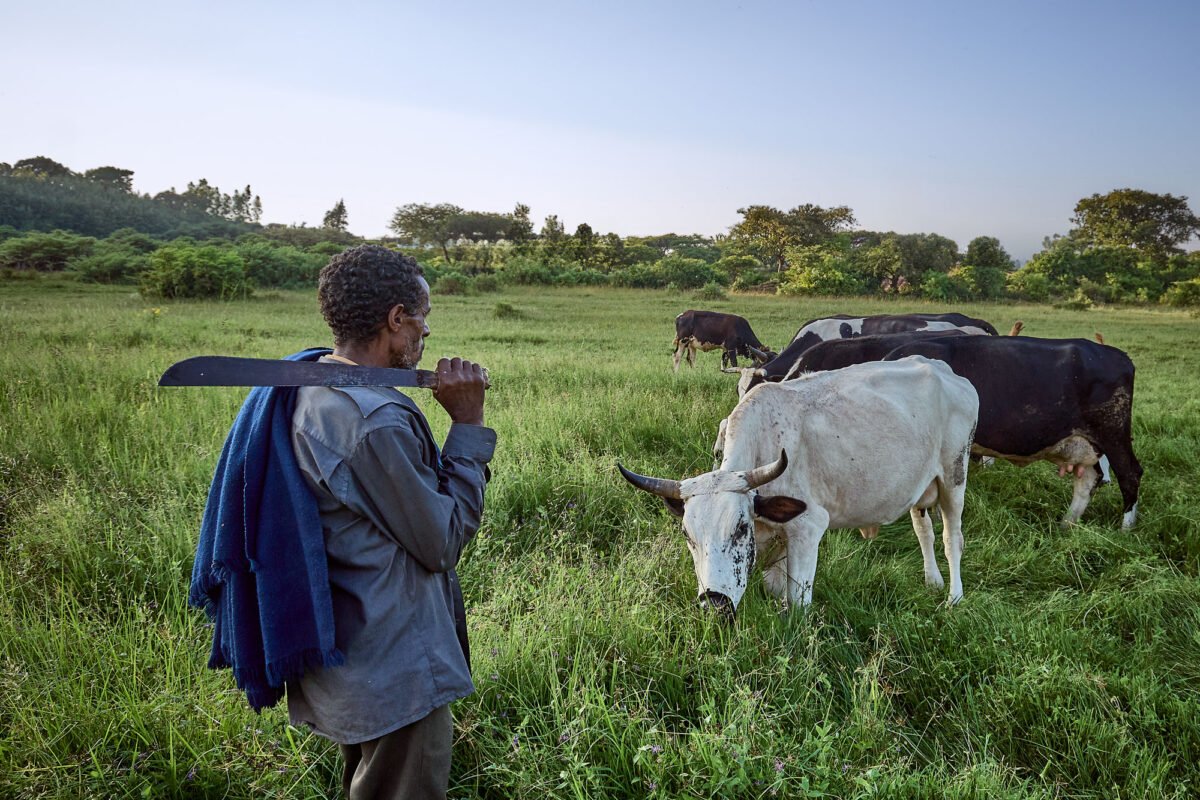
Zebu leather fits AFAR’s goal of local materials and long life. The national herd supports livelihoods at vast scale. Local breeds dominate. Work animals remain central for agriculture in many regions. A hide becomes a valuable input after a long chain of utility, food, and labor.
AFAR’s responsibility starts where design meets sourcing. Better bags reduce waste. Better sourcing keeps value near origin. Better process control protects people, water, and animals.